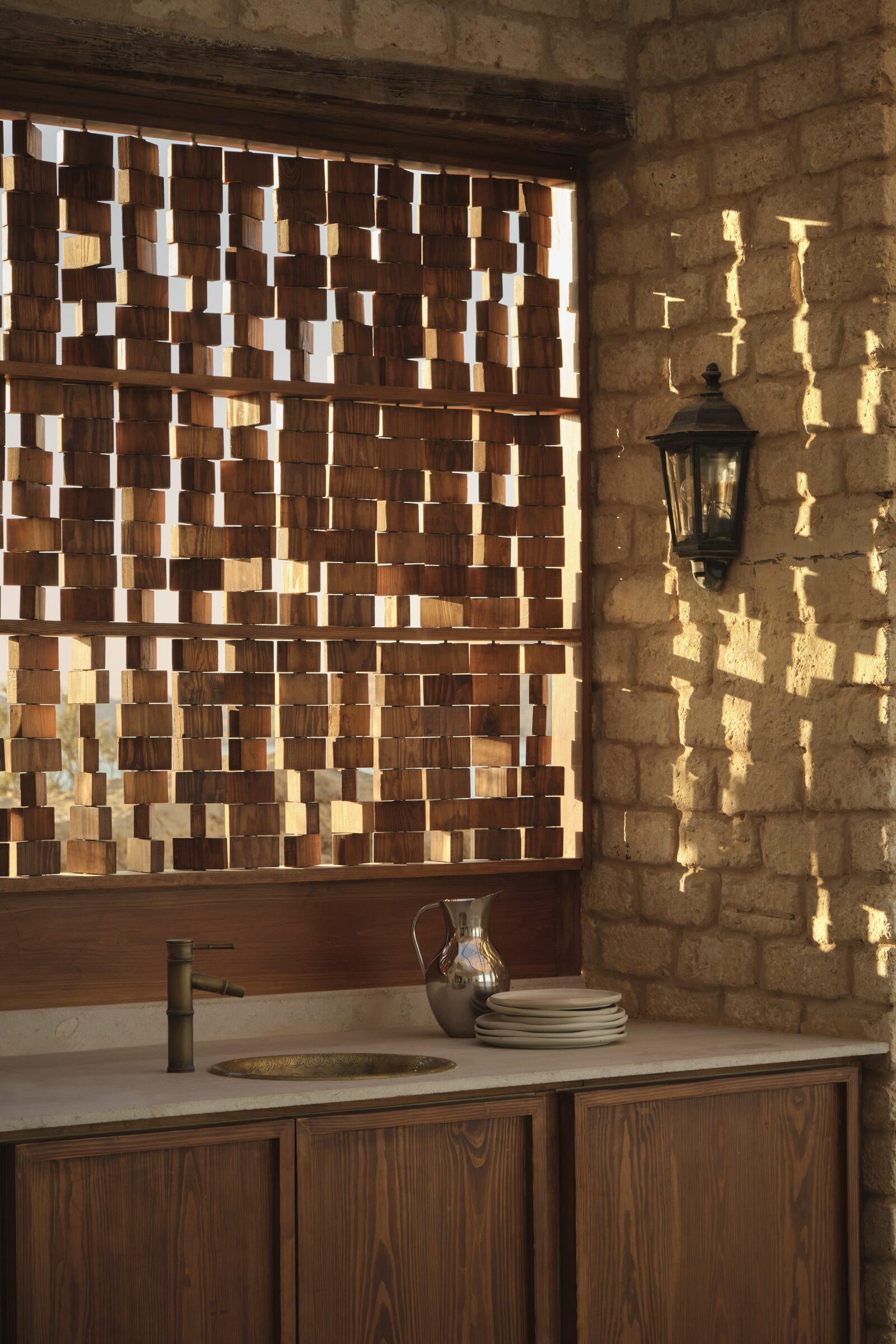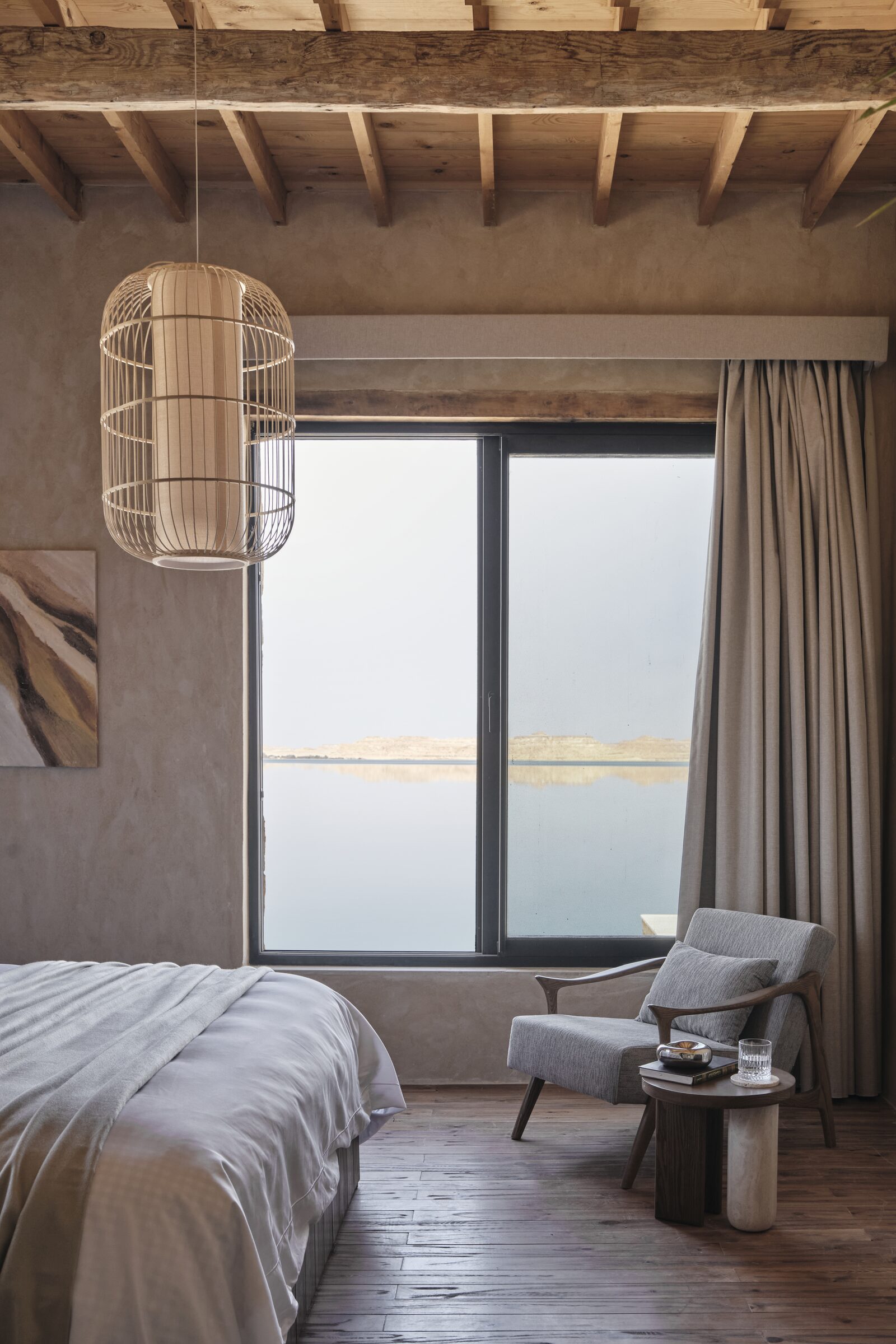
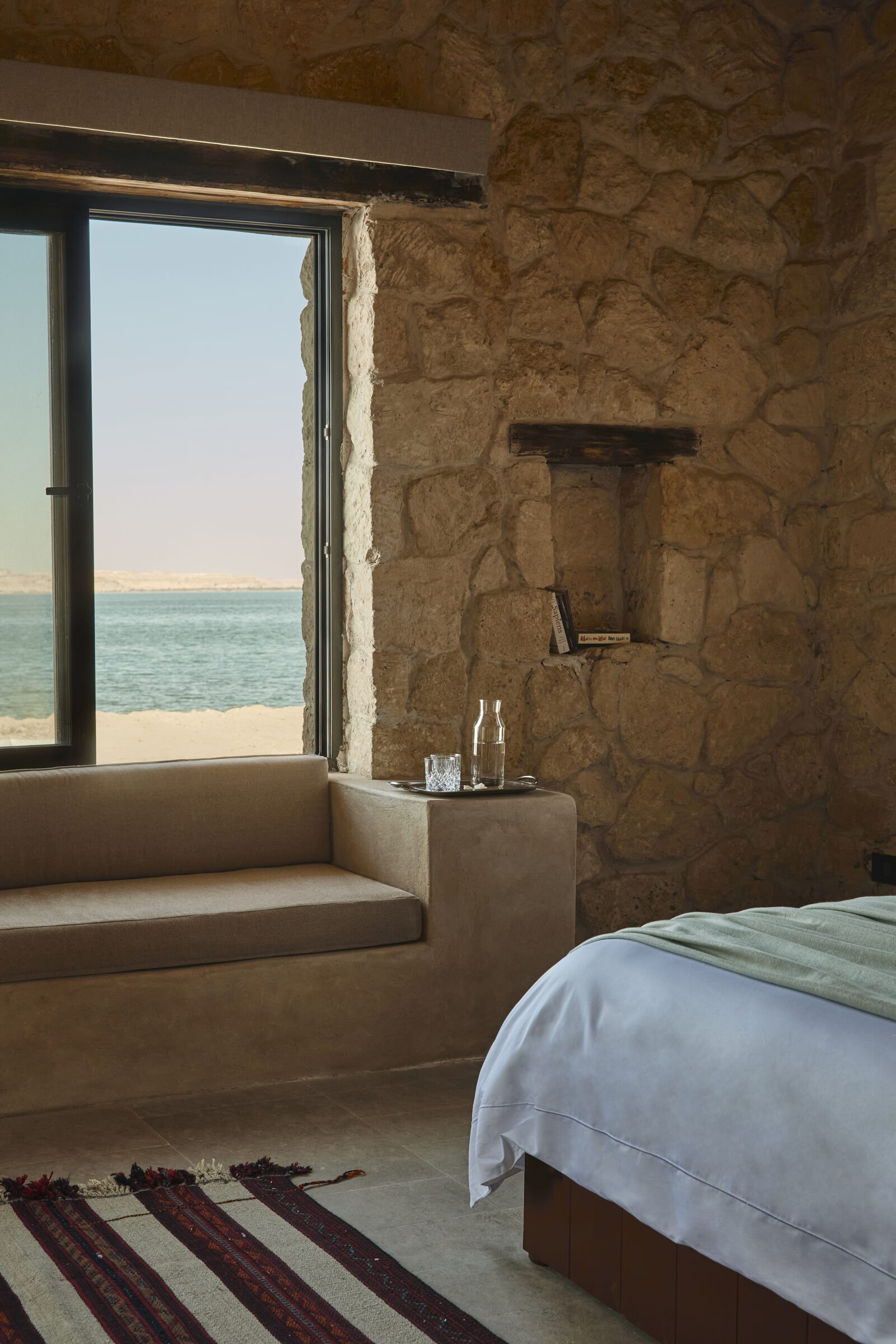
An invitation to the oasis

Discover Siwa.
The oasis at the
edge of nowhere.

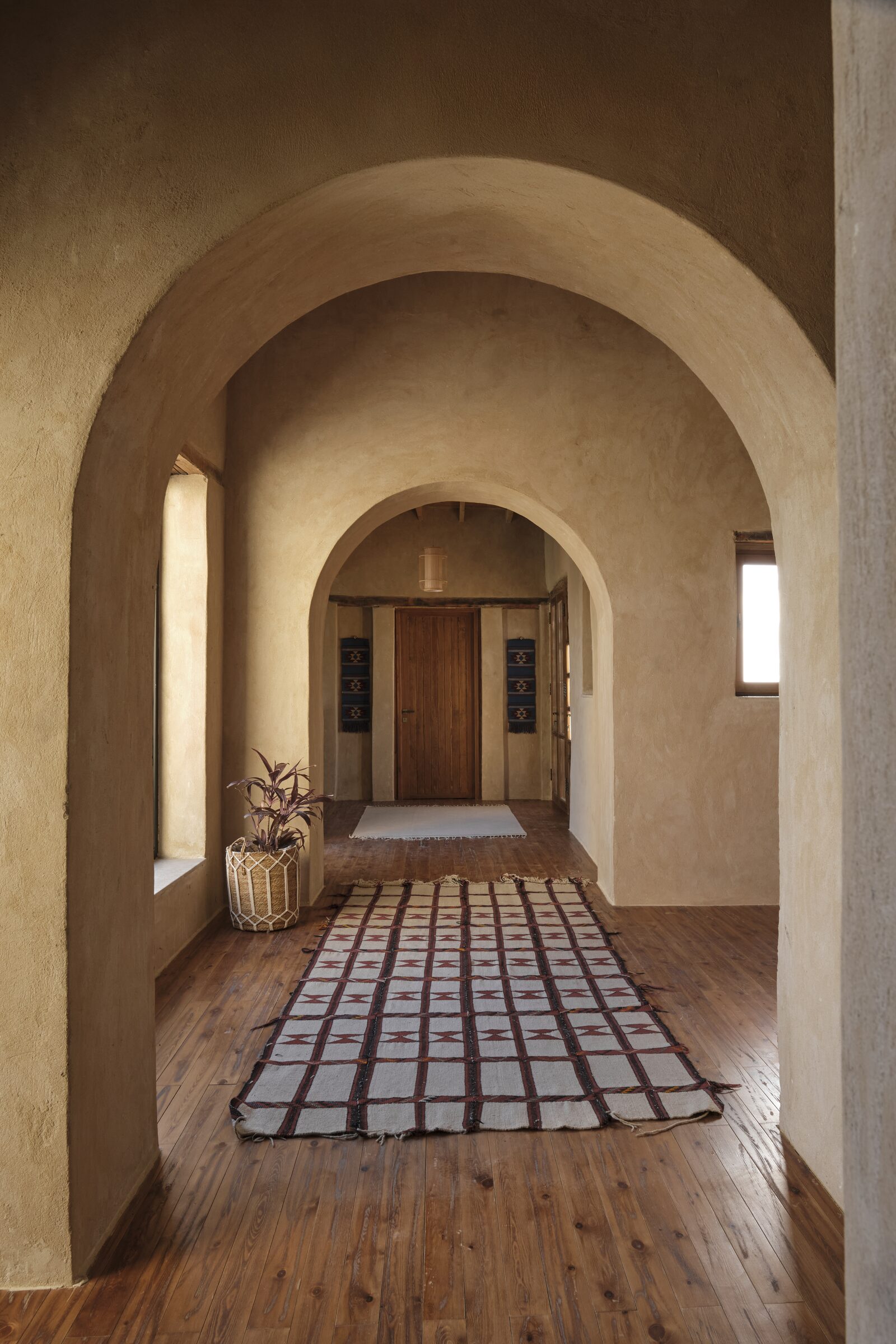
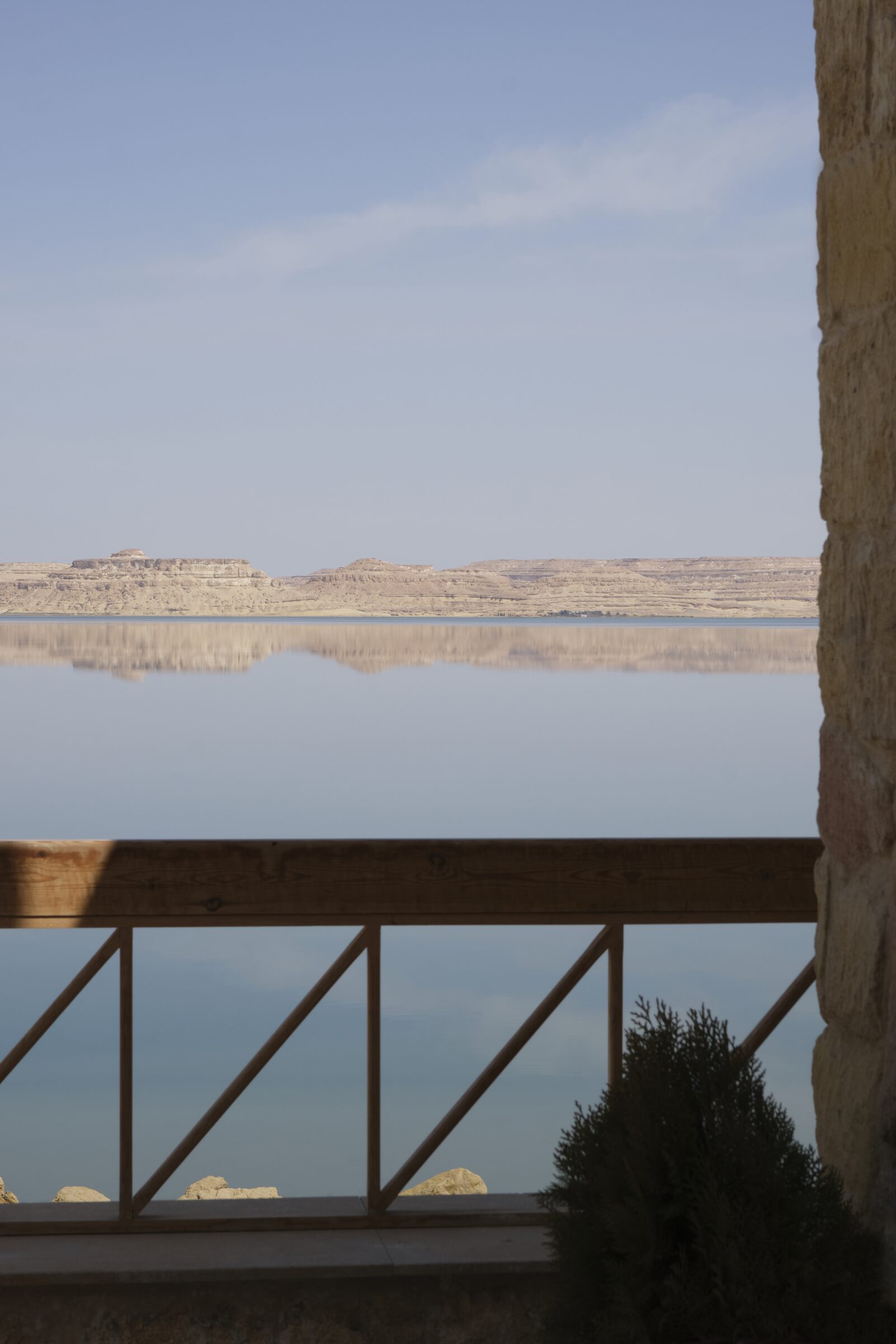
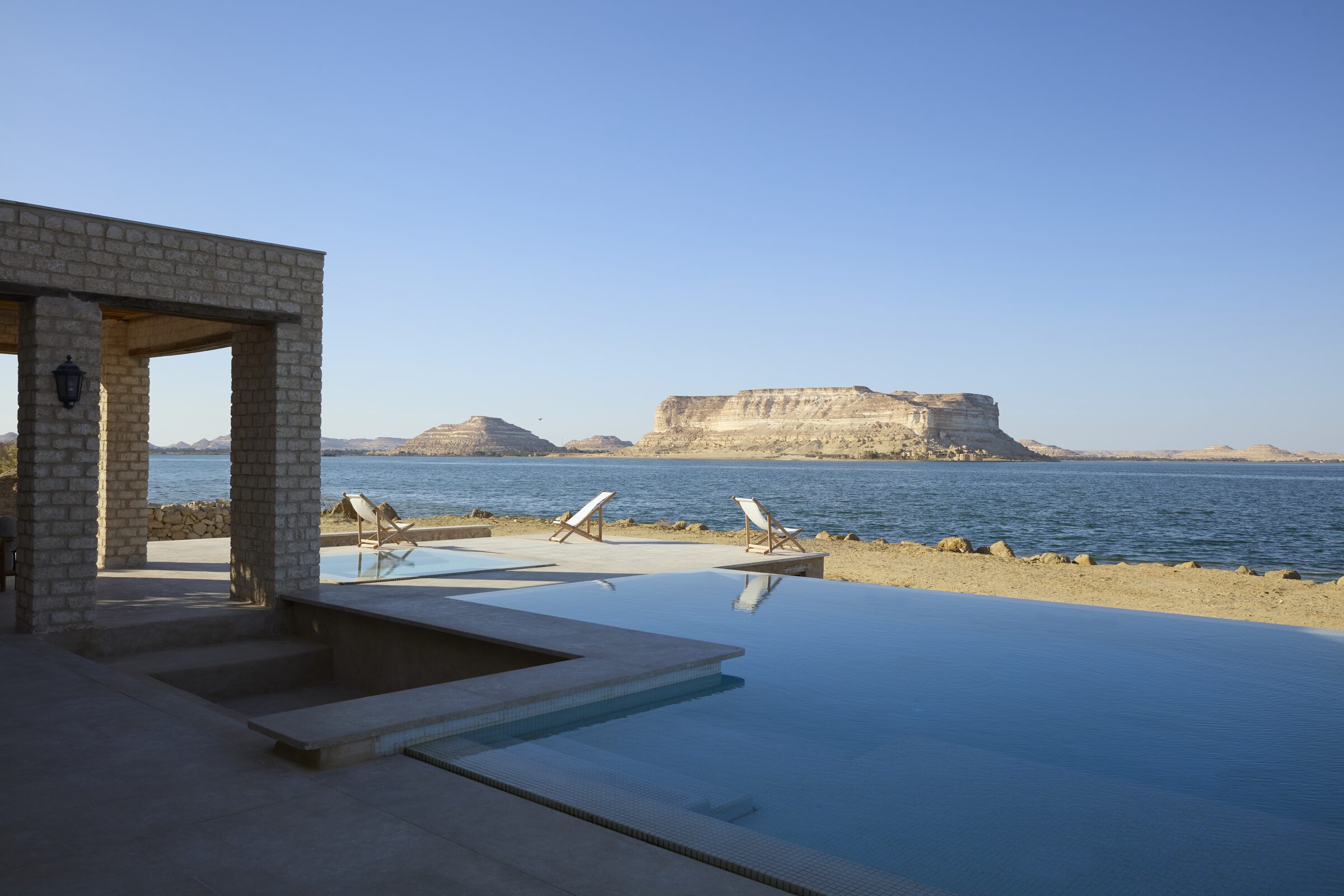
An island of date palms in a sea of sand, 560 km west of Cairo. A salt lake so still it holds the mountains upside down. A culture older than the pyramids, still spoken in its own language. This is what waits beyond the gate of the house.

A short prologue

“A green island floats in a yellow sea — three hundred thousand date palms, a hundred springs, and a horizon ringed with white salt mountains the wind carved into ships.”

— a traveller's note, from the journal of a 19th-century surveyor

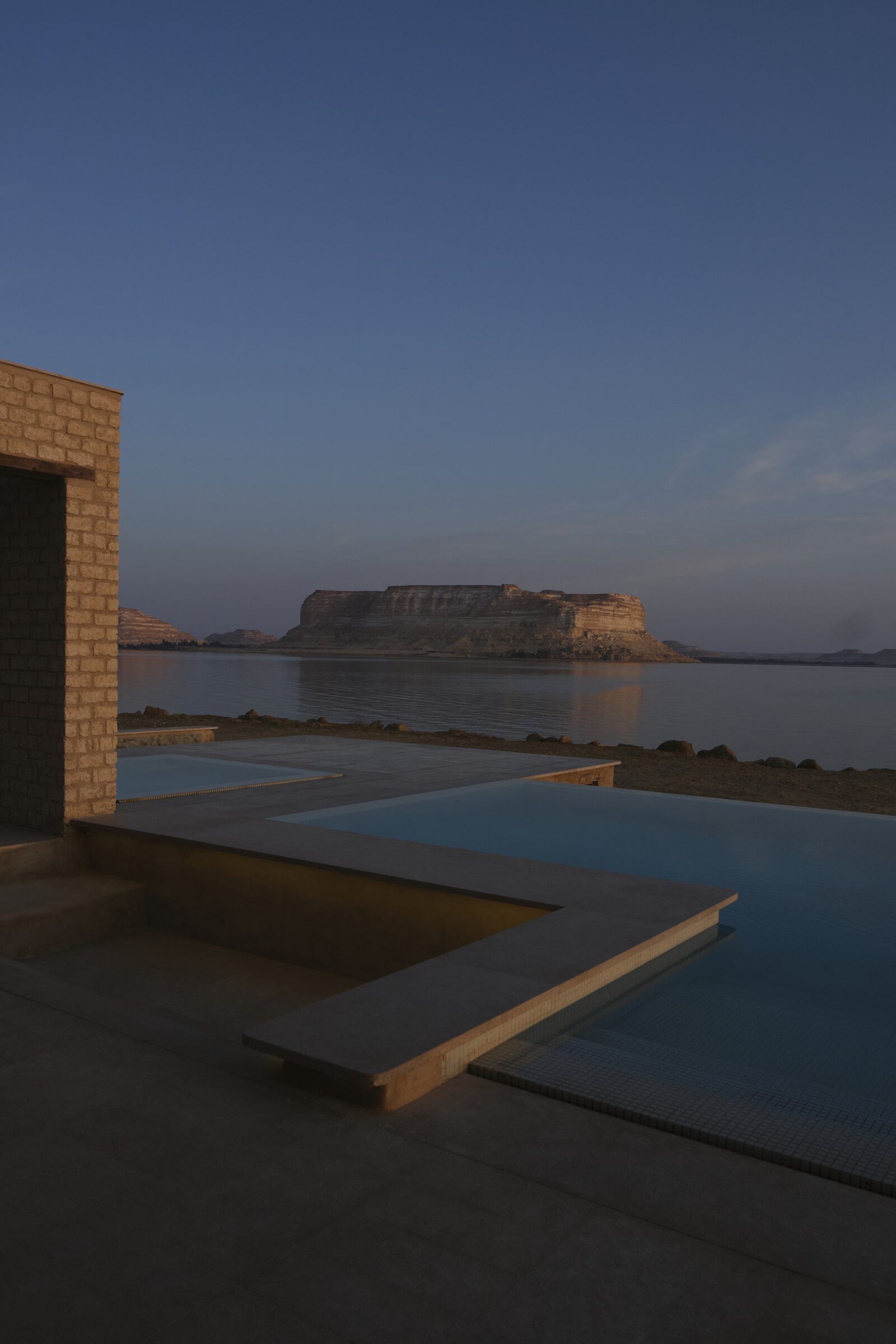
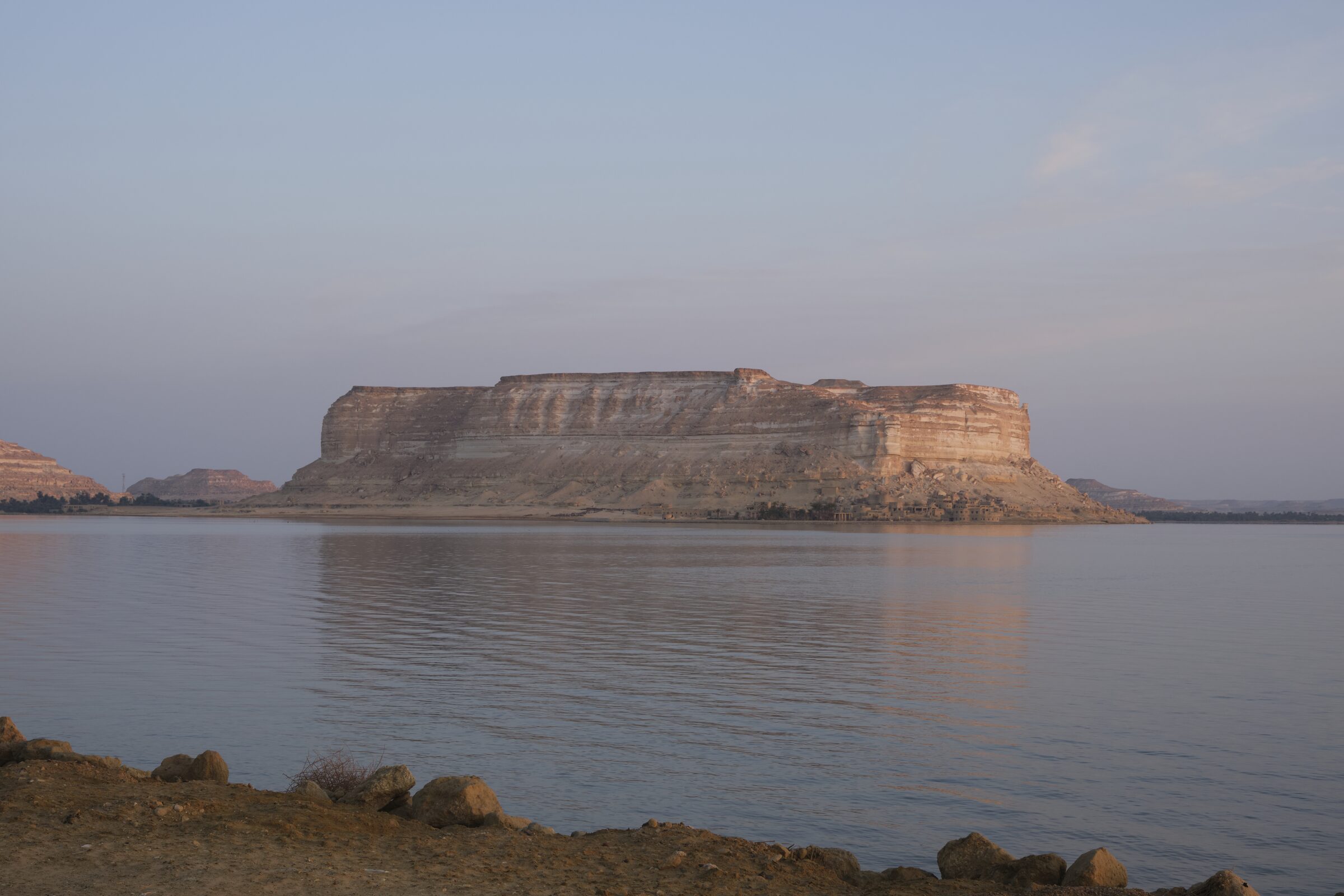
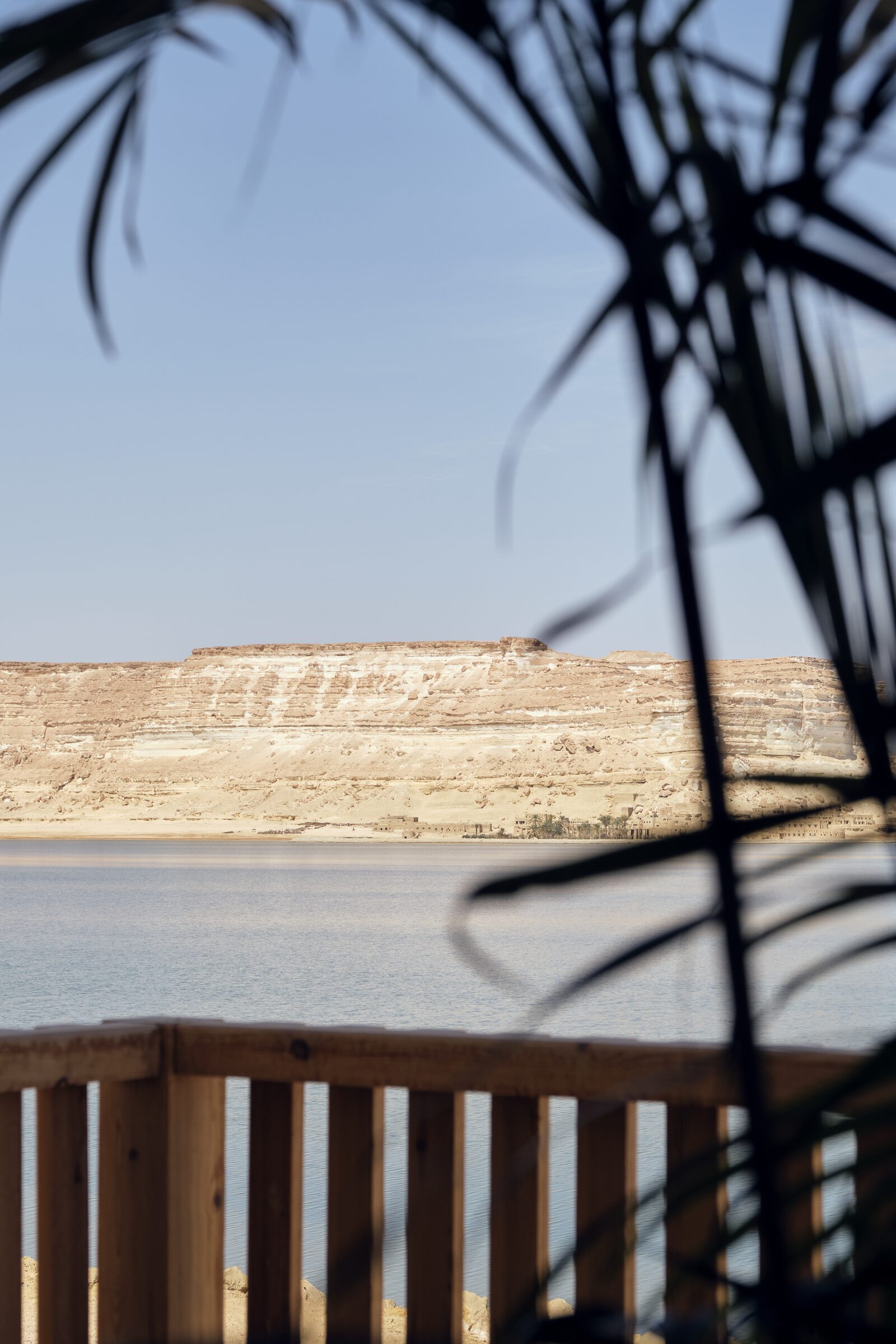
Mountain across the salt lake at dawn Gebel al-Mawta · the Mountain of the Dead, across Birket Siwa.

Why Siwa

An oasis the rest of the world forgot.

Siwa lies in a depression 19 metres below sea level, in the very west of Egypt's Western Desert — closer to the Libyan border than to Cairo. For most of its history, it was reached only by camel caravan. The first paved road arrived in 1986.

That isolation is its gift. Siwa kept its language (Siwi, a Berber tongue), its mud-brick architecture, its hand-loomed embroidery, its date orchards, and a calm that has all but vanished from the rest of the country. Eight days here will reset a year of city.

Plan a visit

The places

Nine landscapes within an hour of the door.

From a salt lake you can float on, to a temple where Alexander the Great asked his fortune. Each of these is reachable on foot, by bicycle, or by a short drive from Bayt Gagy.

A 4x4 convoy crossing dunes in the Great Sand Sea at dusk
Wide desert landscape of the Great Sand Sea Palm-framed view toward the dunes
01

The Great Sand Sea.

بحر الرمال العظيم — Bahr al-Ramal al-Azim

A continent of dunes that begins twenty minutes from the door — 72,000 km² of pure, wind-carved sand, the second-largest dune field on Earth. You drive in with a Bedouin guide, swim in a hidden freshwater pool tucked between two crests, eat a late lunch in the shadow of a rock shelf, and watch the sand turn from gold to bronze to deep cobalt as the sun goes down.

Best for
Sunrise · Sunset · Sandboarding
How to reach
Guided 4×4, half day or overnight
Distance
20 minutes from the lodge
Best season
October — April
Insider note Ask your guide for the freshwater pool at Bir Wahed — a circle of warm spring water rises out of the sand a kilometre from a cold-water lake. You can swim in both within a single afternoon.
The mirror surface of Lake Siwa at dawn with mountain reflection
Flat reflective surface of Birket Siwa Lake Siwa at dusk
02

Birket Siwa, the salt lake.

بركة سيوة — Birket Siwa

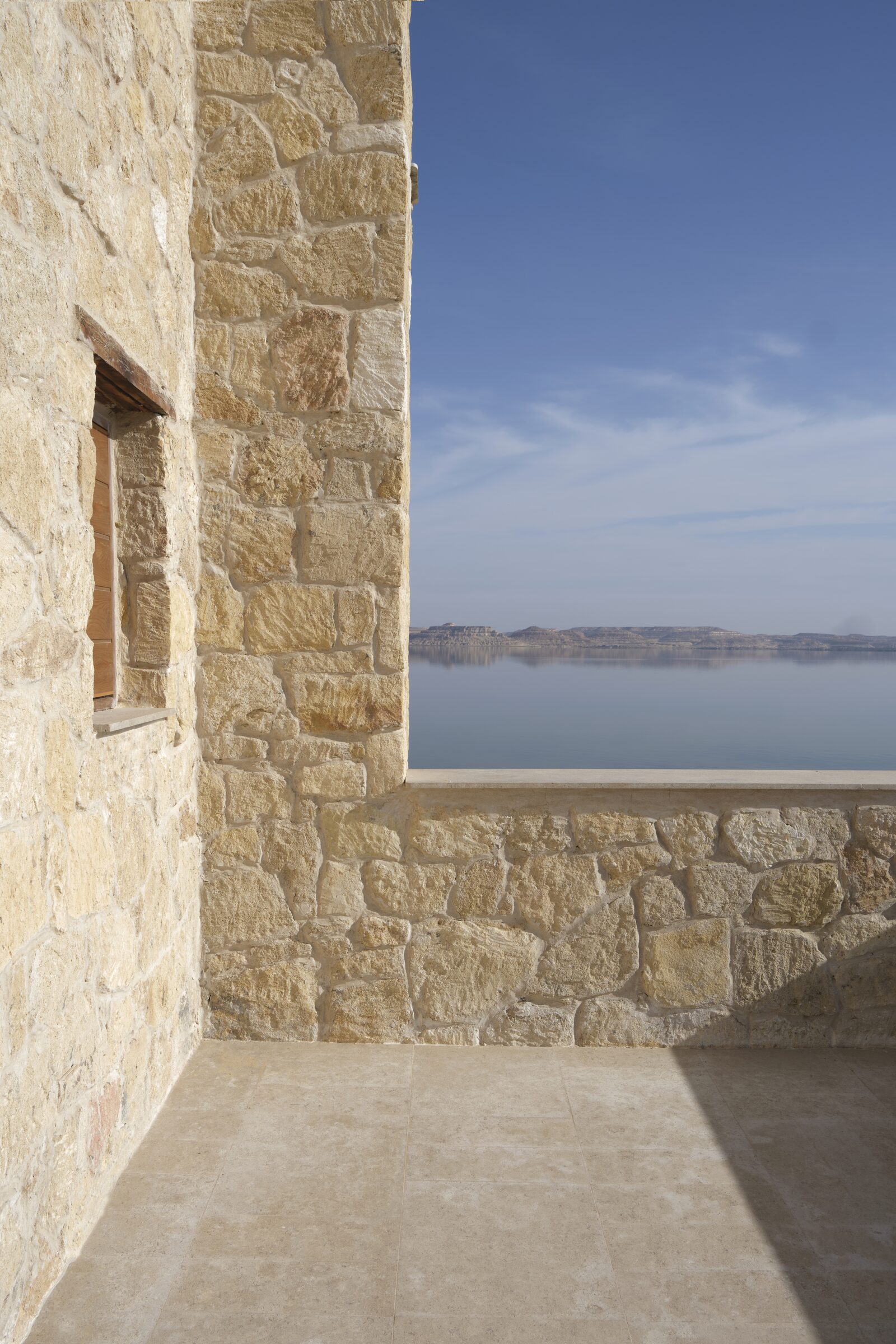
Stretching 18 km along the floor of the depression, Birket Siwa is so rich in salt that you cannot sink — wade out, lean back, and the water will lift you like the Dead Sea. On still mornings the lake becomes a mirror so flat that the white salt mountains on the far shore fold neatly in half. In January, flamingos arrive.

Salinity
~250 g/L (8× the ocean)
Length
About 18 km, east to west
Best moment
An hour before sunrise
Bring
Towel, fresh water, no jewellery
Float, don't swim The high salinity makes proper strokes nearly impossible — and the salt stings any cut. Wade out to chest depth, let your feet rise, and close your eyes. Twenty quiet minutes is enough.
Still spring water with palm reflection
Palm grove near a spring A Siwan farmer in the palm groves
03

Cleopatra's Spring.

عين جوبا — Ain Juba

A perfect circle of clear, slightly bubbling water at the foot of a date-palm grove. Romans, Greeks, Persians, Ottomans, Berbers — every traveller in the last two thousand years has bathed here. The water is mineral-rich, warm in winter, cool in summer, and fed from a vent so deep no one has measured it. A reed pavilion at the edge serves hibiscus tea.

Diameter
About 17 m
Water temperature
Constant ~28°C
How to reach
Bicycle or donkey cart
Local tradition
Modesty wear advised
Go at dawn Most visitors arrive after lunch. Come at first light and you may have the spring entirely to yourself, with steam rising off the water in the cool air.
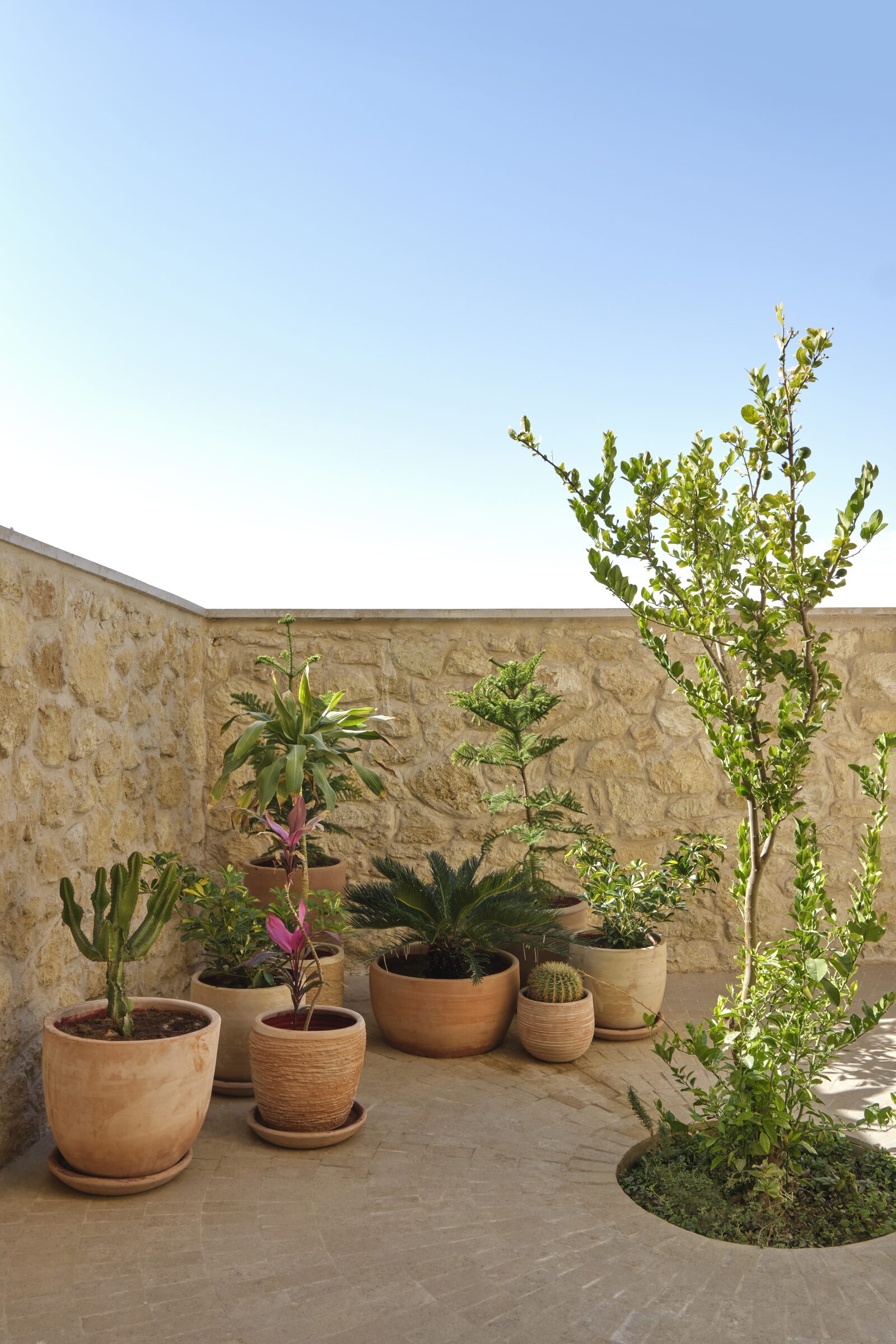
Limestone walls and potted garden of the oasis
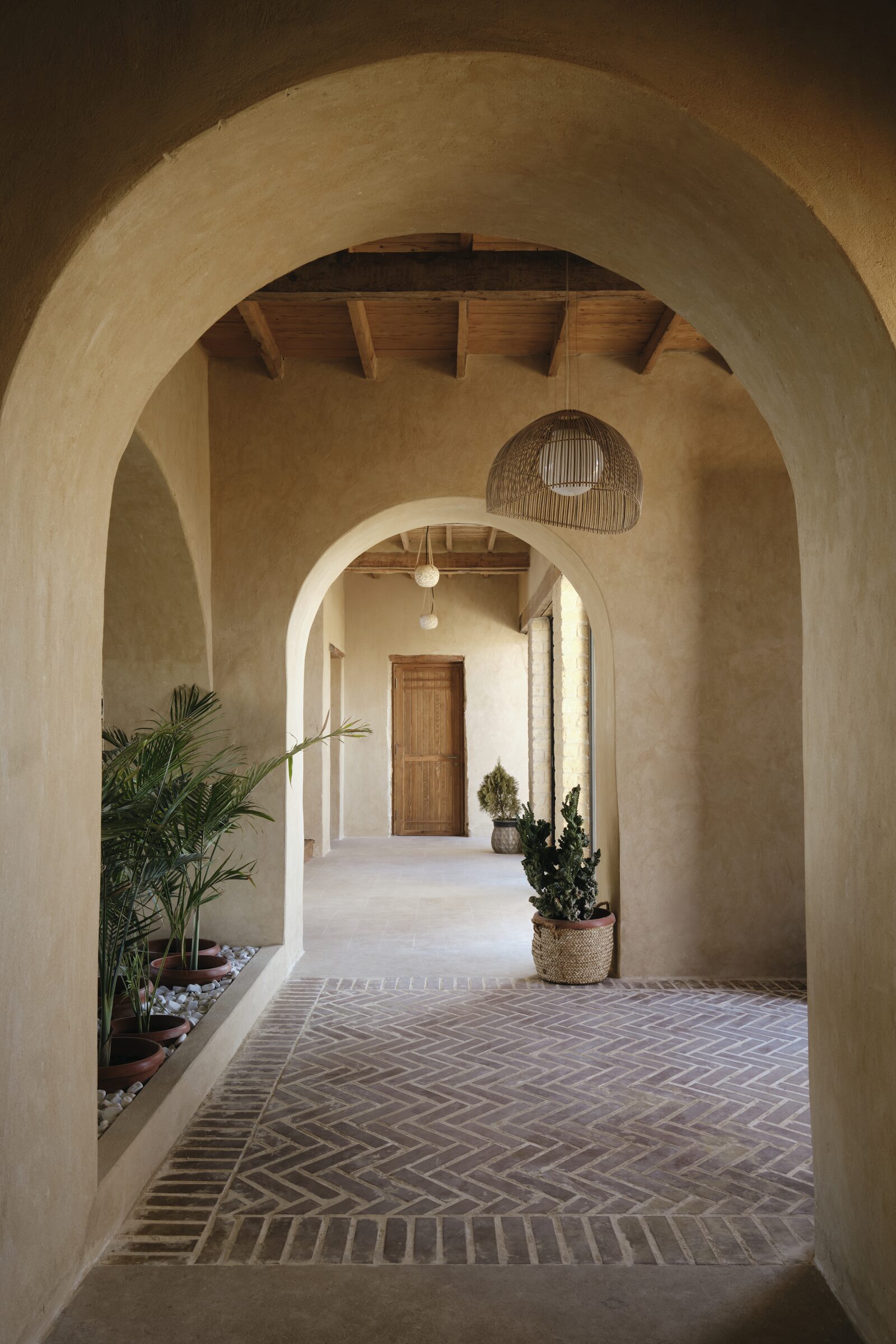
Stone arches in the oasis Hand-fitted wooden door and lattice
04

The Temple of the Oracle.

معبد الوحي — Ma'bad al-Wahy

In 331 BC, Alexander the Great marched an army across the Western Desert to ask a single question of a single priest in this small limestone temple. Whatever he was told, he never repeated. The ruins still stand on a hill at Aghurmi, surrounded by a Berber village of mud-brick houses, with a 360° view of palms, lake and dunes. Sunset is the only correct time to visit.

Built
26th Dynasty · ~570 BC
Famous visit
Alexander the Great, 331 BC
Distance
4 km east of Siwa town
Best moment
One hour before sunset
Climb at golden hour The path up is short but steep. The view from the top — palm grove on one side, salt lake and Mountain of the Dead on the other — is what made every traveller in history come this far.
Mud-brick fortress walls of Shali
Siwan kershef stone arch Acacia screen filtering desert light
05

Shali Fortress.

قلعة شالي — Qal'at Shali

The original town of Siwa — a honey-coloured citadel of kershef (rock-salt and clay) that towers above the modern village. Built in the 13th century to protect Siwans from Bedouin raids, it housed the entire population of the oasis until a freak three-day rainstorm in 1926 melted parts of it overnight. The lower walls have since been carefully restored. Walk the labyrinth of narrow lanes at dusk, when the brick turns amber and the call to prayer rises through the palms.

Built
13th century AD
Material
Kershef (salt + clay)
Height
Up to 60 m at the citadel
Best moment
Dusk, when walls turn amber
The 1926 flood Kershef is impervious to dry weather but dissolves in heavy rain — the trade-off for being one of the most thermally efficient walls ever invented. Most rebuilds today blend kershef with a thin lime crust to protect it.
The Mountain of the Dead seen across the lake
Mountain framed by palms Lake view at dawn
06

The Mountain of the Dead.

جبل الموتى — Gebel al-Mawta

A hill on the northern edge of the oasis, hollowed with hundreds of tombs cut directly into the rock during the 26th Dynasty, the Ptolemaic and the Roman periods. Several are decorated with painted scenes from the Book of the Dead — astonishingly well preserved given the dry desert climate. During the Second World War, the local population sheltered here from Italian air raids; some tombs still bear traces of cooking fires.

Period
26th Dyn. – Roman, ~600 BC – 200 AD
Notable tombs
Si-Amun, Mesu-Isis, the Crocodile
Distance
1.5 km north of town
Best moment
Late morning, when light reaches inside
Desert landscape near Bir Wahed
4x4 in the dunes Still spring water
07

Bir Wahed — hot & cold.

بئر واحد — Bir Wahed

Fifteen kilometres into the dunes, two kinds of water sit a few hundred metres apart. The first is a hot sulphur spring, ringed by reeds, where the water boils up at around 40°C and you can sit in it as the desert cools around you. The second is a cool freshwater lake the colour of jade. The traditional sequence is: hot, then cold, then sweet tea around a fire as the stars come out. There is nothing else here.

Type
Hot sulphur + cold freshwater
Hot temperature
~40°C
Best moment
Dusk, into the night
Access
4×4 only, with a guide
Stay for the stars Most tour groups leave before dark. Linger another hour and the sky will change everything — the Milky Way is visible to the naked eye, and a half-moon over the dunes is enough to read a book by.
Sunset over Lake Siwa from Fatnas Island
Flat lake reflecting evening sky Lake view through palms
08

Fatnas Island.

جزيرة فطناس — Jazirat Fatnas

A small island in the western reach of Lake Siwa, reached by a narrow palm-lined causeway. Its single café — a cluster of low cushions on a wooden deck — is the most famous place in Siwa to watch the sun go down. The lake turns from gold to violet to a deep, clear pink, and in the silence you can hear the water lapping at the salt shore.

Distance
6 km west of Siwa town
Best moment
30 min before sunset
Access
Bicycle, donkey cart, or short drive
Order at the café
Hibiscus tea, dates, fresh bread
A Siwan farmer working in the palm groves
Palm fronds and ground Palms framing the desert horizon
09

The palm groves & gardens.

غابات النخيل — Ghabat al-Nakhil

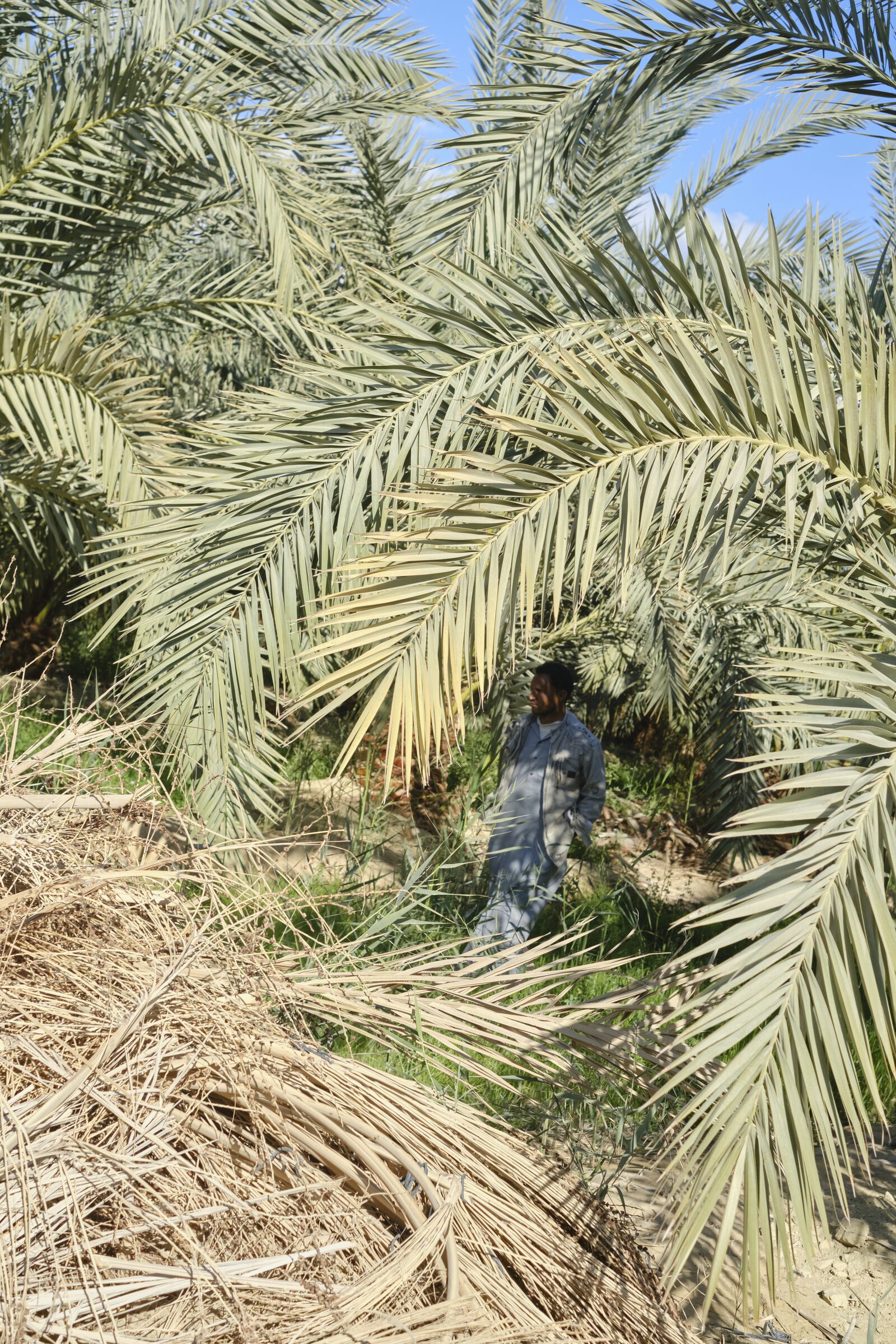
Three hundred thousand date palms, ten thousand olives, a hundred small walled gardens producing pomegranates, figs, citrus and vegetables — all watered by hand from the oasis's many springs. Walk in the grove with a Siwan farmer and you'll come back with a pocket of warm dates from the branch. October is the date harvest, December the first olive press, and every month has its own colour.

Date palms
~300,000 trees
Famous variety
Siwi date — soft, deep amber
Date harvest
October
Olive harvest
November — December
Bring a bag Most farms will sell you a kilogram of just-harvested dates or a small bottle of the season's first olive oil — the best souvenir you can carry out of Siwa.

A landscape older than memory

There are places where the world
is still quiet enough to think.

Siwan culture

A culture older than the pyramids.

Siwa is the easternmost of the Berber communities of North Africa. Its people speak Siwi, write very little of it, and have kept their textiles, music, weddings and food almost entirely intact through six millennia of history.

Siwi · the language

A Berber language with no native script — passed down orally for thousands of years. Around 25,000 active speakers, all in the oasis. To greet a Siwan, say Azul — "hello".

Embroidery & silver

Siwan brides wear a silver dowry plate the size of a dinner plate, and tunics covered in dense, geometric red embroidery. The patterns — eyes, palms, chains — are believed to ward off the wind and the spirits that travel with it.

Music & the oud

Siwan music is sparse and percussive — a single oud, a frame drum, and a long slow voice. A Siwan wedding can last seven days. A modest evening at the lodge: an hour or two, after the lanterns are lit.

The siwi date

The local variety — Siwi — is small, soft, and the colour of dark amber. Eaten fresh in October, dried for the year, ground into syrup, or stuffed with almonds. Siwa exports them to Cairo by the truckload.

The seven-day wedding

Siwan weddings still last a week, with separate days for women, for men, for the bride, for the henna, for the procession. Visitors who happen to be in town are politely welcome — bring a small gift of dates.

Kershef architecture

The unique Siwan building material — rock salt mixed with clay — has built every traditional house in the oasis for a thousand years. Cool in summer, warm in winter, and beautifully golden in low light.

When to visit

A year in Siwa.

The oasis is open all year, but each season has its character — and its weather. October to April is the visiting window for most travellers.

OctDate harvest

Cool, dry, the palms heavy with fruit. The most popular month.

NovOlive harvest

Crisp days, clear skies, the first cold-press oil. Excellent.

DecHigh season

Cold nights (5–10°C), bright days. Best dune light of the year.

JanFlamingos

Migrating flamingos arrive on Birket Siwa. Coldest month.

FebBright stillness

Peak desert clarity — minimal haze, longest visibility.

MarSpring

Warm afternoons, cool evenings. Almonds in flower.

AprLast cool month

Light winds, full moons over the dunes. Quiet.

MayHeat begins

Thirty-five degrees by midday. Mornings still excellent.

JunHot

40°C+. Excursions only at dawn or after sunset.

JulQuietest month

Very hot. We stay open, but few guests come.

AugFestival of Siyaha

The annual reconciliation festival — three days of shared meals.

SepCool returns

Heat breaks at last. The first dates ripen on the trees.

An evening

The lake mirrors everything
— including the stars.

Getting here

From Cairo, to the silence.

By road

Nine hours overland from Cairo via the coastal road and Marsa Matruh. We arrange a 4×4 and a driver from your hotel door.

By air + road

Fly Cairo → Marsa Matruh (1h), then four hours by car south through the salt flats.

Stay length

Three nights minimum. Most guests stay seven — two for the oasis, five for the silence.

Connectivity

Wifi in the library only. Mobile signal is patchy in the desert and most guests are quietly grateful.

Currency

Cards at the lodge, cash in town. Small bills are kinder to the local market.

Dress

Loose, long, light, layered. Modest in town and at the springs.

Begin your visit

When you're ready, the lake is.

We can sketch a week around your rhythm — silence, or sand, or salt, or all of the above.

Plan your visit